A fence is only as strong as its installation. Even the highest quality fencing materials can fail prematurely if contractors do not follow proper installation procedures. Across Saudi Arabia, industrial facilities, logistics centers, energy projects, and commercial developments invest heavily in perimeter security. However, many project owners focus on fence specifications while overlooking the importance of installation quality.
Proper fence installation directly affects security performance, durability, maintenance costs, and overall project value. In Saudi Arabia's demanding climate, professional installation becomes even more critical because fencing systems must withstand extreme temperatures, strong winds, sandstorms, and occasional coastal humidity.
This guide explains the key stages of industrial fence installation and highlights the factors that determine long term performance in Saudi Arabia.
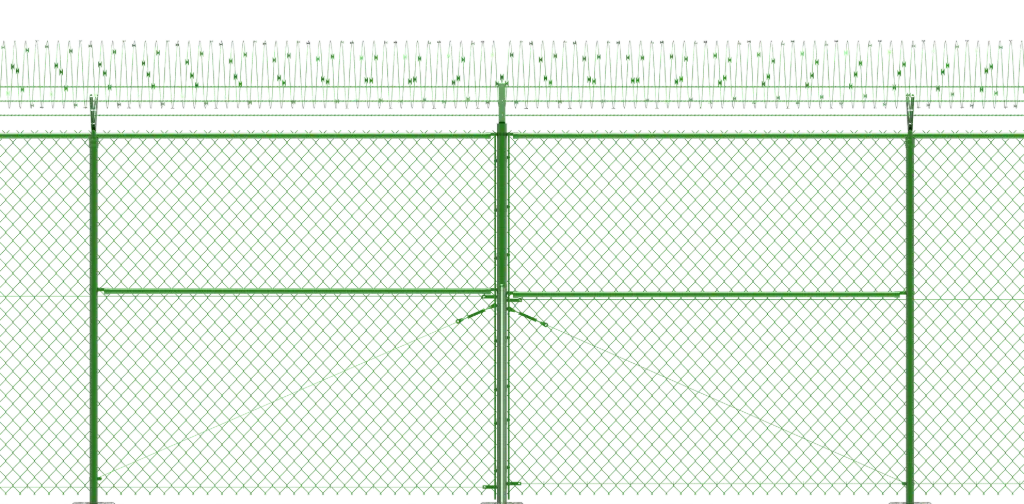
Why Fence Installation Matters
Many property owners assume that selecting high quality fencing materials guarantees long term performance. In reality, installation quality often determines whether a fence performs effectively for decades or develops problems within a few years.
A poorly installed fence may experience misaligned panels, leaning posts, weakened foundations, or structural instability. These issues can compromise security while increasing repair and maintenance costs.
From experience across industrial projects in Riyadh, Dammam, Jubail, and Yanbu, installation errors are among the most common causes of premature fence failure. Most of these problems can be avoided through proper planning and professional execution.
Understanding Site Conditions Before Installation
Every successful fencing project begins with a detailed site assessment. Before installation starts, contractors should evaluate the terrain, soil conditions, security requirements, and environmental factors affecting the project.
Saudi Arabia presents diverse site conditions. Industrial facilities in Riyadh often face dry desert environments with loose sandy soil. Coastal projects in Dammam and Yanbu may experience higher humidity levels and salt exposure. Mountainous regions can present additional challenges related to uneven terrain.
A thorough site assessment helps determine the appropriate fence design, foundation requirements, post spacing, and material specifications.
Professional contractors use this information to develop an installation plan that ensures long term structural stability.
Selecting the Right Fence System
The installation process begins long before workers arrive on site. Choosing the right fencing system plays a major role in project success.
Different facilities require different levels of security. A logistics warehouse may need welded mesh fencing with controlled access points, while an industrial storage yard may perform well with galvanized chain link fencing.
Many modern developments in Saudi Arabia now prefer welded mesh systems because they provide stronger security and a more professional appearance. High security facilities often require anti climb fencing combined with surveillance systems and controlled entry points.
The selected fencing system should align with the facility's operational requirements, risk profile, and long term maintenance objectives.
The Importance of Foundation Design
Fence foundations provide the structural support that keeps the entire system stable. Weak foundations can lead to fence movement, leaning posts, and eventual failure.
In Saudi Arabia, soil conditions vary significantly between locations. Loose sandy soil often requires deeper foundations to maintain stability. Strong winds and occasional sandstorms place additional stress on fence structures.
Professional installers typically use reinforced concrete foundations to secure fence posts. Foundation depth depends on fence height, wind exposure, soil conditions, and security requirements.
For many industrial projects, foundations range from 600 millimeters to 1000 millimeters in depth. High security installations may require larger foundations to support heavier fencing systems and additional security features.
Proper foundation design helps ensure that the fence remains stable throughout its service life.
Contact Us
Protect your assets with Hitech Fence’s . For consultations, demonstrations, or inquiries:
Post Installation and Alignment
Fence posts form the structural framework of the entire system. Accurate post placement is essential for achieving both security and visual consistency.
Contractors must carefully measure post locations to maintain uniform spacing throughout the perimeter. Even small alignment errors can create installation challenges and affect the final appearance.
Experienced installation teams use surveying equipment and string lines to ensure precise positioning. This approach helps maintain straight fence lines and consistent panel placement.
Industrial clients often judge project quality based on visual appearance. Proper alignment contributes significantly to the professional presentation of the finished installation.
Installing Fence Panels
Once the posts are securely installed and the concrete has fully cured, contractors can begin attaching fence panels.
For welded mesh fencing, installers secure rigid panels to the posts using specialized brackets and tamper resistant fasteners. Proper panel alignment ensures structural integrity while maintaining a clean and professional appearance.
Chain link fencing requires tensioning procedures to keep the mesh secure and prevent sagging. Contractors must carefully adjust tension throughout the installation process to achieve consistent results.
Attention to detail during this stage significantly improves long term performance and appearance.
Corrosion Protection in Saudi Arabia
Environmental protection remains a critical factor in fence installation throughout Saudi Arabia.
Exposure to heat, dust, humidity, and coastal conditions can accelerate corrosion if materials are not properly protected. For this reason, most industrial fencing projects specify hot dip galvanized steel components.
Galvanization creates a protective zinc coating that helps prevent rust and extends the lifespan of steel structures. In coastal cities such as Dammam, Yanbu, and Jeddah, galvanization becomes particularly important because salt exposure increases corrosion risks.
Many projects also apply powder coating over galvanized surfaces to provide additional protection and improve visual appearance.
Selecting corrosion resistant materials during installation reduces maintenance requirements and improves long term value.
Security Enhancements During Installation
Modern perimeter security extends beyond fencing alone. Many industrial facilities integrate additional security measures during the installation process.
Security enhancements may include surveillance cameras, controlled access gates, perimeter lighting, and intrusion detection systems. Installing these components alongside the fencing system often improves efficiency and reduces future modification costs.
High security facilities frequently combine anti climb fencing with advanced monitoring technologies to create multiple layers of protection.
Early coordination between fencing contractors and security system providers helps ensure seamless integration.
Common Installation Mistakes to Avoid
Several common mistakes can reduce fence performance and shorten service life.
Insufficient foundation depth is one of the most frequent issues. Shallow foundations may not provide adequate support under challenging environmental conditions.
Poor drainage can also create long term problems. Water accumulation around foundations may weaken soil stability and increase corrosion risks.
Using low quality materials represents another significant concern. Inferior steel components often fail prematurely, especially in harsh environments.
Professional contractors avoid these problems through proper planning, quality control, and adherence to project specifications.
Long Term Maintenance Considerations
Proper installation supports easier maintenance throughout the fence's lifespan.
Well installed fencing systems require fewer repairs and maintain their appearance more effectively. Routine inspections help identify minor issues before they develop into larger problems.
Most industrial facilities benefit from annual inspections that evaluate structural stability, coating condition, and overall fence performance.
Preventive maintenance protects the investment while extending service life.
Choosing the Right Fence Installation Contractor
The success of any fencing project depends heavily on the contractor responsible for installation.
Project owners should evaluate contractor experience, technical expertise, project portfolio, and quality control procedures before making a selection.
Experienced contractors understand local environmental conditions and can recommend installation methods that maximize durability and security.
Companies that have completed projects across Saudi Arabia often provide valuable insights based on practical field experience.
Selecting a qualified contractor typically delivers better long term results than focusing solely on initial installation costs.
Final Thoughts
Industrial fence installation requires careful planning, technical expertise, and attention to detail. Every stage of the process influences the security, durability, and appearance of the finished system.
In Saudi Arabia, environmental conditions place additional demands on perimeter fencing. Professional installation helps ensure that the fence performs reliably despite heat, wind, sand exposure, and coastal conditions.
Whether the project involves a warehouse, logistics facility, industrial plant, or infrastructure development, investing in proper installation practices creates long term value and improves perimeter security.
A well installed fence does more than define a boundary. It protects assets, supports operations, and contributes to the overall success of the facility for many years.