Welded mesh fencing has become one of the most preferred perimeter security solutions in Saudi Arabia. Industrial facilities, logistics parks, government projects, commercial developments, and infrastructure sites increasingly choose welded mesh fencing because it delivers higher security, longer durability, and a more modern appearance than traditional fencing systems.
As Saudi Arabia continues to expand major developments under Vision 2030, demand for reliable perimeter security systems continues to grow. Modern industrial projects now require fencing systems that not only secure the property but also maintain long term performance in harsh environmental conditions.
This guide explains everything project owners, contractors, and consultants should know about welded mesh fencing in Saudi Arabia, including specifications, applications, installation methods, and practical recommendations based on local project experience.

What Is a Welded Mesh Fence
A welded mesh fence consists of steel wires welded together to form rigid mesh panels. Unlike chain link fencing, welded mesh panels create a stronger and more secure barrier because the welded intersections prevent the mesh from bending or deforming easily.
The panels are attached to galvanized steel posts using specialized brackets and fasteners. Depending on project requirements, the fence may also include:
- Anti climb mesh designs
- V bend reinforcement panels
- Razor wire extensions
- Barbed wire outriggers
- Powder coated finishes
In Saudi Arabia, welded mesh fencing is widely used because it combines security, durability, and visual appeal in one system.
Why Welded Mesh Fencing Is Popular in Saudi Arabia
Saudi Arabia’s industrial and infrastructure sectors demand fencing systems that can withstand extreme weather conditions while maintaining strong security performance.
Welded mesh fencing performs exceptionally well because it offers:
- High structural strength
- Excellent visibility for surveillance systems
- Anti climb protection
- Long service life
- Low maintenance requirements
Many industrial developers in Riyadh, Dammam, Jubail, and NEOM now prefer welded mesh fencing because it provides a cleaner and more professional appearance compared to traditional chain link systems.
From practical project experience, welded mesh fencing is especially effective for facilities that require both perimeter security and a modern architectural finish.
Common Applications of Welded Mesh Fence in Saudi Arabia
Welded mesh fencing supports a wide range of industrial and commercial applications across the Kingdom.
Common applications include:
- Industrial perimeter fencing
- Warehouses and logistics parks
- Power plants
- Oil and gas facilities
- Airports
- Government projects
- Schools and universities
- Residential compounds
- Infrastructure developments
- Data centers
In many Saudi industrial cities, consultants increasingly specify welded mesh fencing for projects that require stronger anti climb protection and better aesthetics.
For example, logistics facilities in Riyadh often use welded mesh fencing because it improves perimeter security while maintaining full visibility for CCTV monitoring systems.
Anti Climb Security Advantages
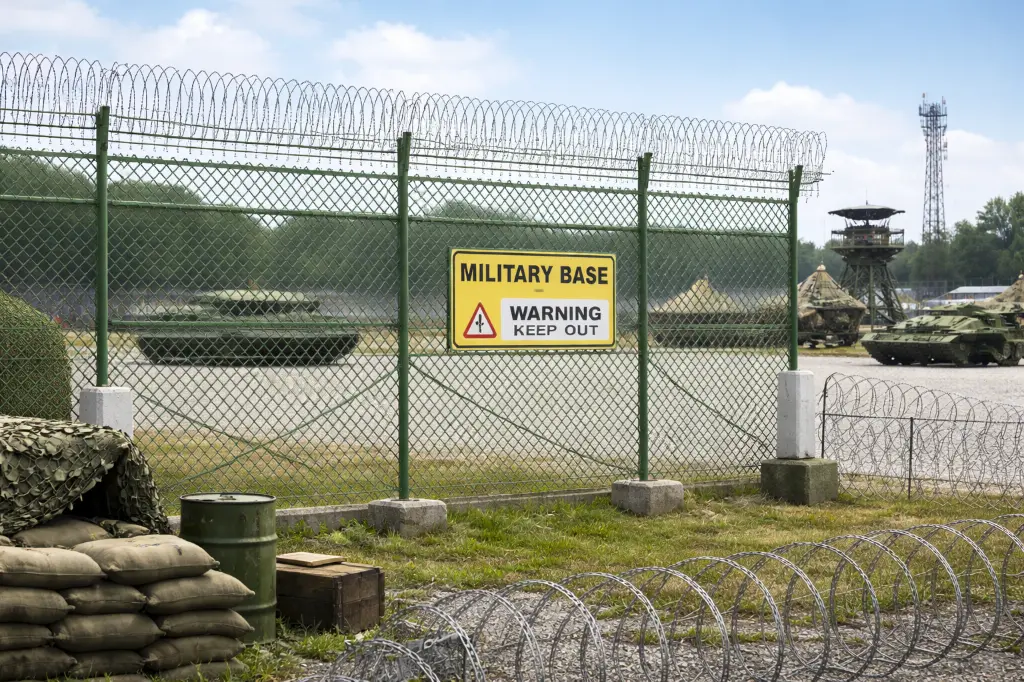
One of the biggest advantages of welded mesh fencing is its anti climb design.
Modern welded mesh systems use narrow mesh openings that reduce footholds and make climbing extremely difficult. This feature significantly improves perimeter security compared to standard chain link fencing.
High security welded mesh fences may also include:
- Razor wire toppings
- Double wire mesh reinforcement
- Curved security extensions
- Heavy duty steel posts
Many HCIS/SAIS related projects in Saudi Arabia use anti climb welded mesh systems because they meet strict industrial security requirements while maintaining professional site appearance.
From real project installations, anti climb welded mesh fencing has become increasingly common in petrochemical plants and logistics hubs where perimeter protection is a top priority.
Standard Welded Mesh Fence Specifications
Fence specifications vary depending on project requirements and security levels. In Saudi Arabia, common welded mesh fence specifications include the ranges below.
| Specification | Typical Range |
|---|---|
| Wire Diameter | 4 mm to 6 mm |
| Mesh Opening | 50 × 200 mm |
| Fence Height | 2 m to 3 m |
| Panel Width | 2.5 m |
| Post Material | Galvanized steel |
| Coating Type | Hot dip galvanized or powder coated |
Most industrial projects prefer fence heights between 2.4 m and 3 m to improve site security.
Hot Dip Galvanized Welded Mesh Fence
Saudi Arabia’s climate creates major challenges for outdoor steel structures. High temperatures, humidity, and sand exposure can rapidly damage low quality fencing materials.
Because of this, most professional fencing projects use hot dip galvanized welded mesh panels.
Hot dip galvanizing protects the steel with a thick zinc coating that prevents corrosion and extends fence lifespan.
This protection becomes especially important in coastal regions such as:
- Dammam
- Jubail
- Yanbu
- Jeddah
In these areas, humidity and salt exposure can accelerate corrosion on untreated steel surfaces.
Based on local project experience, galvanized welded mesh fencing can maintain strong structural performance for more than two decades with minimal maintenance.
Contact Us
Protect your assets with Hitech Fence’s . For consultations, demonstrations, or inquiries:
Powder Coated Welded Mesh Fence
Many commercial and government projects also apply powder coating over galvanized steel.
Powder coating improves:
- Visual appearance
- UV resistance
- Additional corrosion protection
- Long term color durability
Black, green, and gray powder coated finishes are common in Saudi projects because they blend well with modern architectural developments.
Powder coated welded mesh fencing is widely used in:
- Residential compounds
- Commercial buildings
- Educational facilities
- Public infrastructure projects
Welded Mesh Fence Installation Process
Professional installation plays a critical role in fence durability and long term performance.
The installation process usually includes:
Site Preparation
Contractors first inspect the site layout, ground conditions, and fence alignment.
Proper leveling ensures consistent panel installation and structural stability.
Foundation Work
Fence posts are installed into concrete foundations to secure the structure against wind loads and soil movement.
In Saudi Arabia, concrete foundations usually range between:
- 600 mm to 1000 mm deep
Foundation depth depends on:
- Fence height
- Soil conditions
- Wind exposure
- Security requirements
Loose desert soil often requires deeper foundations to maintain long term stability.
Panel Installation
After the concrete cures, contractors attach welded mesh panels to the steel posts using brackets and anti tamper fasteners.
Experienced installers maintain consistent panel spacing and alignment to achieve a professional finish.
Welded Mesh Fence vs Chain Link Fence
Both welded mesh fencing and chain link fencing are widely used in Saudi Arabia, but each serves different project needs.
Welded Mesh Fence Advantages
- Higher security performance
- Better anti climb protection
- Modern appearance
- Greater rigidity
- Longer lifespan
Chain Link Fence Advantages
- Lower installation cost
- Faster installation
- Flexible applications
- Suitable for large areas
Industrial projects with higher security requirements usually choose welded mesh fencing because of its stronger perimeter protection and cleaner appearance.
Many government and infrastructure projects in Saudi Arabia now prefer welded mesh systems over traditional chain link fencing.
Maintenance Requirements
Welded mesh fencing requires minimal maintenance when properly galvanized and installed.
Basic maintenance usually includes:
- Periodic inspection
- Cleaning dust accumulation
- Checking brackets and fasteners
- Repairing damaged coatings if necessary
Because welded mesh panels maintain rigid structural integrity, they generally require less maintenance than flexible fencing systems.
How to Choose the Right Welded Mesh Fence Supplier in Saudi Arabia
Choosing an experienced fencing supplier is essential for long term project success.
Before selecting a contractor or manufacturer, project owners should evaluate:
- Material quality
- Galvanizing standards
- Installation capability
- Industrial project experience
- Compliance with HCIS specifications
- Delivery capacity across Saudi Arabia
Reliable suppliers should also provide technical recommendations based on project conditions instead of offering generic fencing solutions.
For large industrial developments, professional engineering support helps ensure the fence system meets both security and environmental requirements.
Final Thoughts
Welded mesh fencing has become one of the most effective perimeter security solutions for industrial and commercial projects in Saudi Arabia. Its combination of durability, anti climb protection, low maintenance, and modern appearance makes it ideal for today’s infrastructure and industrial developments.
As Saudi Arabia continues expanding logistics hubs, industrial cities, energy facilities, and smart infrastructure projects, demand for high performance perimeter fencing will continue to increase.
However, long term performance depends heavily on proper material selection, galvanizing protection, and professional installation practices.
For project owners seeking a reliable, secure, and visually professional fencing solution, welded mesh fencing remains one of the strongest choices available in the Saudi market.